
Do Dirty Windows Raise Energy Bills?
Cleaner windows aren't just cosmetic — they affect natural light, airflow, and how hard your HVAC has to work. Here's how.
Do Dirty Windows Raise Energy Bills?
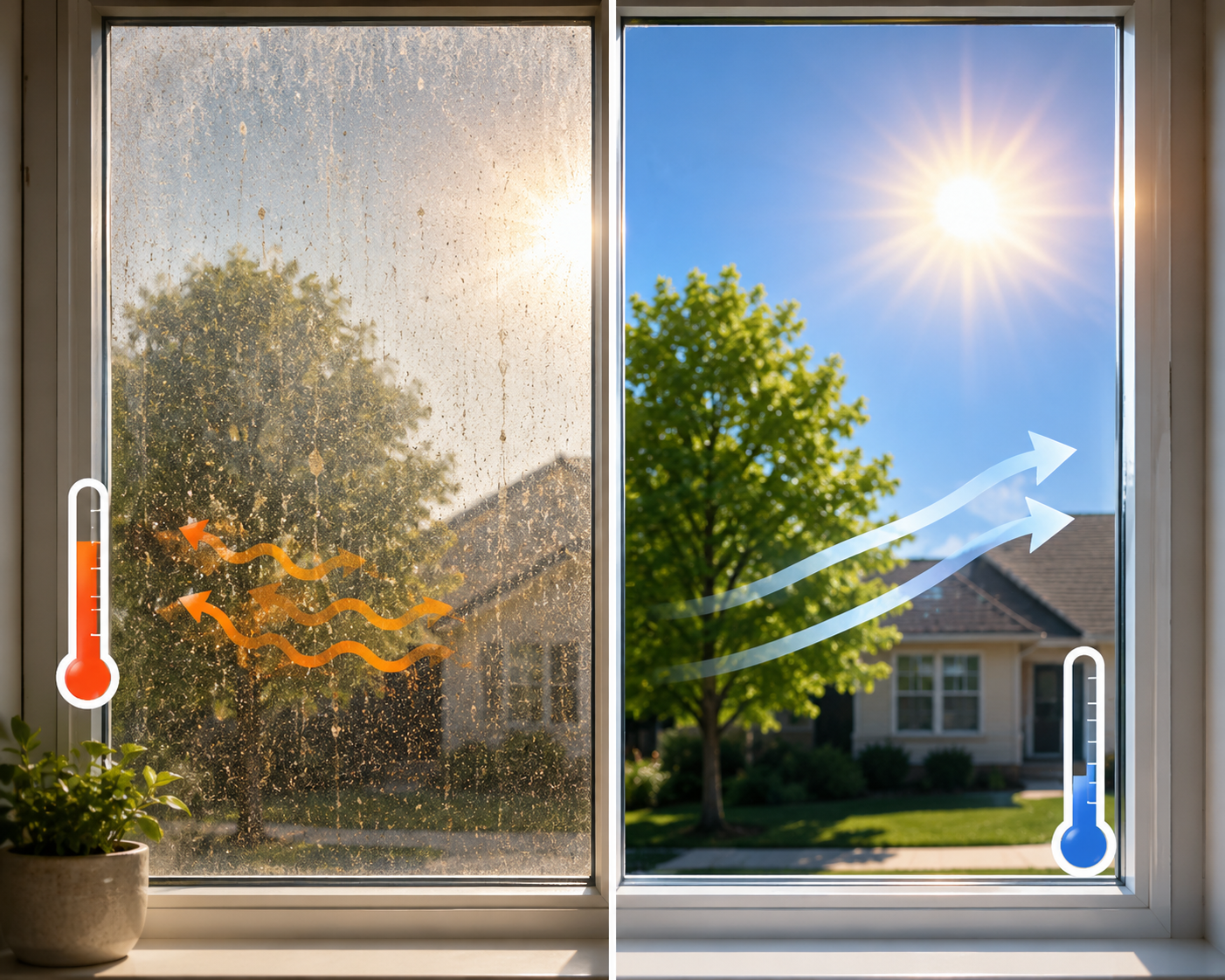
Most homeowners think of window cleaning as a cosmetic service. Cleaner glass improves curb appeal, lets in more natural light, and provides a better view.
But many homeowners are surprised to learn that dirty windows can also affect a home's energy efficiency.
While dirty windows alone won't double your electric bill, accumulated dirt, mineral deposits, hard water stains, and neglected window components can contribute to higher heating and cooling costs over time.
For homeowners throughout the Dallas–Fort Worth area, keeping windows clean is about more than appearance—it's also about helping your home perform more efficiently year-round.
How Windows Impact Energy Efficiency
Windows play a major role in regulating your home's temperature.
They allow natural light to enter while serving as a barrier between your conditioned indoor air and the outdoor environment.
When windows are properly maintained, they help maximize natural daylight, reduce strain on HVAC systems, and improve overall comfort.
When windows become dirty or neglected, several issues can begin affecting efficiency.
Dirty Glass Reduces Natural Light
One of the most immediate effects of dirty windows is reduced sunlight transmission.
Dust, pollen, hard water stains, mineral deposits, and environmental grime create a film on the glass that blocks incoming light.
As less natural light enters the home, homeowners often compensate by turning on lamps and interior lighting earlier in the day.
While the energy impact of lighting alone may be relatively small, it adds up over time—especially in homes with large window areas.
Clean windows allow significantly more daylight to enter the home, reducing reliance on artificial lighting during daylight hours.
Hard Water Stains Can Reduce Solar Heat Gain
During cooler months, sunlight entering through windows can naturally help warm portions of your home.
This effect is known as solar heat gain.
Heavy mineral deposits, hard water stains, and bonded grime reduce the amount of sunlight passing through the glass.
While the difference may be modest, windows covered in years of buildup can noticeably reduce the amount of beneficial sunlight entering a room.
This means your heating system may need to work slightly harder to maintain indoor temperatures during cooler weather.
Dirty Window Screens Restrict Airflow
Many homeowners focus only on the glass and overlook the screens.
Window screens collect:
- Dust
- Pollen
- Spider webs
- Tree debris
- Airborne dirt
As buildup accumulates, airflow through open windows can become restricted.
During the spring and fall months, many DFW homeowners take advantage of mild temperatures by opening windows rather than running air conditioning.
Clean screens allow better airflow and ventilation, helping homeowners make the most of comfortable weather without relying as heavily on HVAC systems.
Neglected Tracks and Frames Can Lead to Air Leaks
One of the most overlooked energy issues isn't the glass itself—it's the surrounding window components.
Window tracks, frames, and seals collect dirt and debris over time.
When these areas are neglected, windows may not close completely or seal properly.
Even small gaps can allow:
- Hot air to enter during summer
- Cold air to enter during winter
- Conditioned air to escape
- Increased HVAC runtime
Professional window cleaning often includes inspection and cleaning of frames, tracks, and sills, helping identify potential issues before they become larger problems.
How Dirty Windows Drive Up Energy Use
Here's the chain of effects that connects neglected windows to higher utility bills.
Buildup Forms
Dust, pollen, hard water minerals, and grime accumulate on glass, screens, and tracks throughout DFW's harsh seasons.
1Light & Airflow Drop
Less daylight reaches your interior and less fresh air moves through open windows, so lamps and HVAC run longer.
2Seals Weaken
Debris in tracks and frames prevents windows from closing tightly, allowing conditioned air to escape through tiny gaps.
3HVAC Works Harder
Your heating and cooling system compensates for lost efficiency, cycling more often to hold the thermostat setpoint.
4Bills Creep Up
Small inefficiencies compound across every window, every day — quietly raising monthly energy costs over the long term.
5
The DFW Climate Makes Window Maintenance More Important
North Texas experiences some of the most challenging weather conditions for homeowners.
Throughout the year, windows are exposed to:
- Intense summer heat
- High UV exposure
- Spring pollen
- Dust storms
- Hard water from irrigation systems
- Heavy thunderstorms
- Wind-driven debris
These conditions cause contamination to accumulate faster than many homeowners realize.
Over time, this buildup reduces clarity, affects natural light, and can contribute to premature wear on window components.
Routine maintenance helps preserve both the appearance and performance of your windows.
Can Clean Windows Help Lower Cooling Costs?
The effect is usually indirect rather than dramatic.
Clean windows won't suddenly reduce your electric bill by 20%.
However, they can contribute to overall efficiency by:
- Maximizing natural daylight
- Improving passive solar benefits during cooler months
- Encouraging better ventilation
- Preventing damage to window components
- Supporting proper window operation
- Helping homeowners identify seal failures early
When combined with properly sealed windows, quality insulation, and an efficient HVAC system, clean windows become part of a larger strategy for maintaining an energy-efficient home.
The Hidden Cost of Window Neglect
The biggest financial impact of dirty windows often isn't the utility bill itself.
It's the damage that develops when windows are left untreated for years.
Hard water stains can permanently etch glass.
Mineral deposits can become increasingly difficult to remove.
Dirty tracks can affect window operation.
Blocked weep holes can lead to moisture issues.
Failed seals can reduce insulation performance.
Addressing these problems after they develop is often significantly more expensive than routine maintenance.
How Often Should Windows Be Cleaned?
For most homeowners in the Dallas–Fort Worth area, professional window cleaning twice per year provides an excellent balance between appearance, maintenance, and efficiency.
Recommended schedule:
Spring Cleaning
- Remove pollen and winter buildup
- Maximize natural light
- Prepare for summer
Fall Cleaning
- Remove dust and hard water deposits
- Improve appearance before holidays
- Prepare windows for winter
Homes with extensive landscaping, heavy sprinkler exposure, or large glass surfaces may benefit from quarterly cleaning.
The Bottom Line
Do dirty windows directly cause high energy bills?
Not usually.
However, dirty windows can reduce natural light, limit airflow, contribute to maintenance issues, and make your home less efficient overall.
Clean windows allow more sunlight into your home, help window systems operate properly, and make it easier to spot developing problems before they become expensive repairs.
For homeowners throughout Fort Worth, Colleyville, Southlake, Keller, Grapevine, and the surrounding DFW area, routine window cleaning is a simple investment that improves appearance, protects your windows, and supports long-term home efficiency.
At Shine & Bright Exteriors, we provide professional window cleaning, frame detailing, track cleaning, and screen cleaning services designed to keep your windows looking their best while helping protect your investment year-round.
Need help with your windows?
Free quotes across Fort Worth and the DFW Metroplex.